
Book Review - How to Slowly Kill Yourself and Others in America: Essays

Author Kiese Laymon

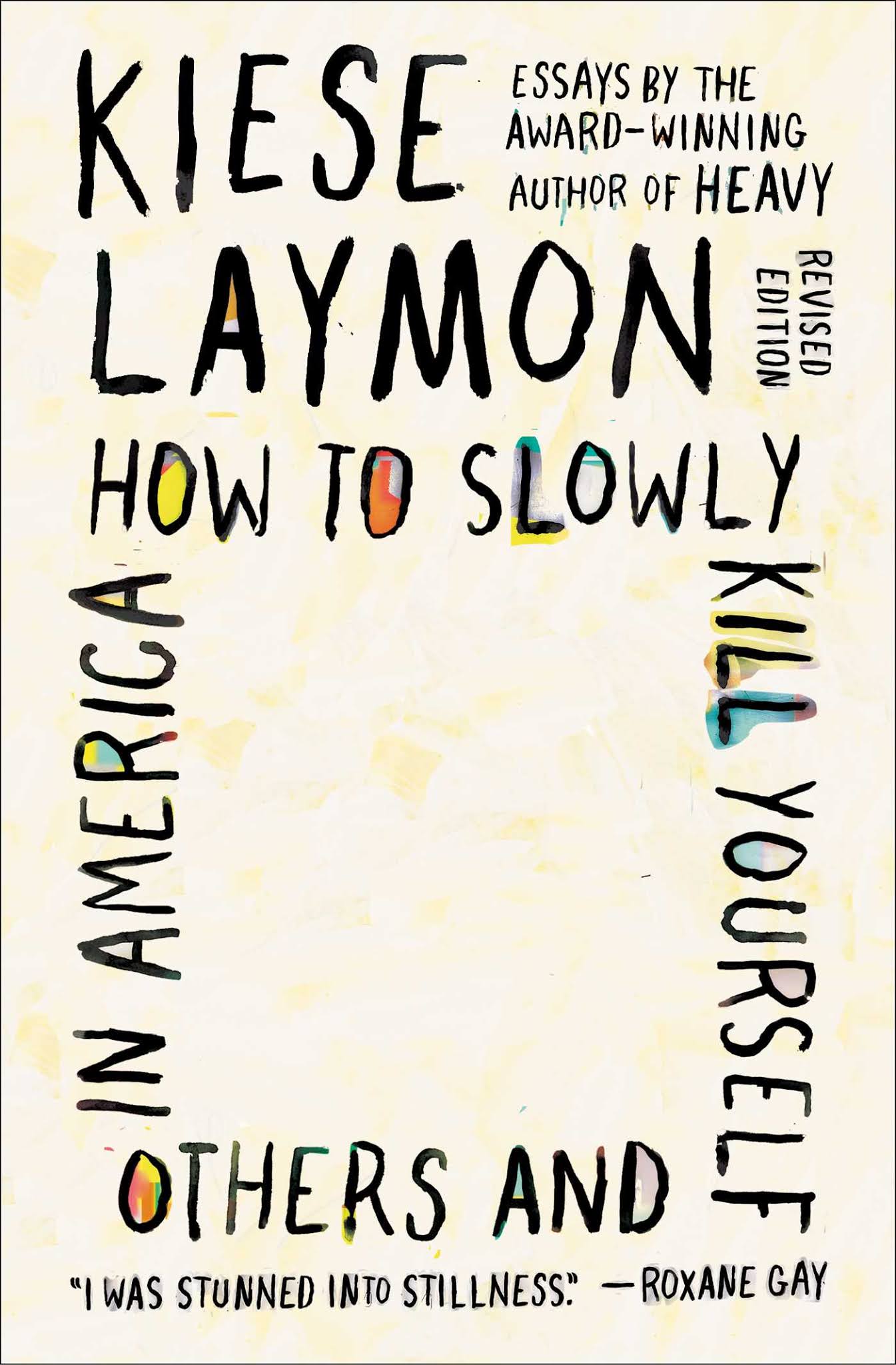
Kiese Laymon’s collection of essays reaches the pinnacle of truth-telling that only essayists with this author’s candor and depth can achieve. Laymon shares his contemplations on the impacts of the pandemic on Black Americans, the insistence of white nationalist symbols in Mississippi, and ponderings on racialized realities and identities in the South. He is writing about himself, his family, and his friends. What binds the narratives together is Laymon’s immense care and concern for his Grandmama, for hiphop, for the people.

It would be an oversimplification to state that trauma is a primary theme of the essays. Yes, Laymon lays bare generational pain that manifests in betrayals of self and others; thoughts and actions that slowly kill self, dreams, and relationships. At the same time, the author summons the reader to feel and inhale the breadth and intensity of his love and pride for the culture.

Most of us don’t deserve the honesty that Laymon serves on the page, but it’s what the reader receives: plain truth, often painful, thoroughly unvarnished. Harsh truths explore angst and frustration that cannot be fully grasped without walking in the shoes of a Black male Mississippian. Laymon engages the reader intellectually about collective pain emanating from various streams of violence against Black life: systemic, structural, and interpersonal. More importantly, his prose evokes a visceral reaction: one that inspires empathy, underscoring great love for humanity. 
 

Buy on Bookshop


Popular posts from this blog

Enlighten Me

Editor's Note: This review was originally published in Los Angeles Book Review . Author Minh Lê Standing up for oneself seems like doing the right thing. Binh did just that in the face of a racist school bully who was poking fun at his Asian heritage. But physically assaulting another student goes against school policy, and it was Binh who got in trouble. Binh shares a silent retreat with his family and younger siblings. Along with other children, he learns about stories from the previous lives of the Buddha. The stories are interesting, but for Binh, it is difficult to sit still and clear his mind when he misses his Gameboy. While he struggles with silence, he learns important lessons about friendship, community, and being present. In the graphic novel "Enlighten Me," award-winning author Minh Lê and bestselling illustrator Chan Chau tell the story of a boy who gains a better understanding of himself as he works on quieting the mind and reflecting on dharma. Lê and Ch...

Slow Down: The Degrowth Manifesto

In "Slow Down: The Degrowth Manifesto," renowned Marxian scholar and philosopher Kohei Saito offers a compelling argument against the relentless pursuit of economic growth that permeates contemporary capitalism. Saito’s thesis focuses on the concept of degrowth—a radical reduction in production and consumption that aligns with sustainable ecological limits rather than constant expansion. Pictured above is Kohei Saito Saito makes a significant and timely contribution to the ongoing conversation about sustainable living. Slow Down adopts an interdisciplinary approach, drawing insights from environmental science, economics, and social theory to present a clear and urgent depiction of the current ecological crisis. Saito critiques the widely accepted belief that economic growth equates to progress and questions the sustainability of existing global consumption patterns. He advocates for a fundamental reshaping of our economic systems to prioritize human well-being and ecologica...

Minding the Wealth Gap

As a Black investor and startup founder, Cliff Goins IV brings firsthand experience and sharp insight to one of America’s most urgent issues: the racial wealth gap. Having navigated the worlds of finance and entrepreneurship, Goins has seen up close the systemic disparities in wealth creation, access to capital, and asset management. From unequal opportunities in homeownership and education to persistent challenges in business funding and employment, the historical gaps are perpetuated in present-day practices. In "Minding the Wealth Gap," Goins skillfully blends data, lived experience, and the insights of experts to illuminate the deep-rooted economic disparities facing Black Americans. More importantly, he highlights the power of collective uplift. Through the voices of nine dynamic “gap closers,” Goins shows how real change happens when Black investors and leaders open doors for others. Each success “play” or strategy underscores the ripple effect of support. Selena Cu...