Lucky Tomorrow: Stories


Deborah Jiang-Stein's debut collection of short stories explores the lives of people who are often overlooked. From flower street vendors to families torn apart by ambition, to a woman on death row awaiting redemption amidst a tumult of memories, Jiang-Stein vividly depicts their struggles. Each story is set in various cities where she has lived: Seattle, Minneapolis, and Tokyo. While these settings differ, they share a common indifference toward human suffering.

In "Lucky Tomorrow," each vignette offers a glimpse into harsh realities that are often difficult to confront, yet are grounded in the lived experiences of those frequently unseen and cast aside. The stories convey powerful themes of longing and fleeting hopes for fresh starts that may never arrive. Although the themes are specific to the characters, they resonate with the universal human experience.

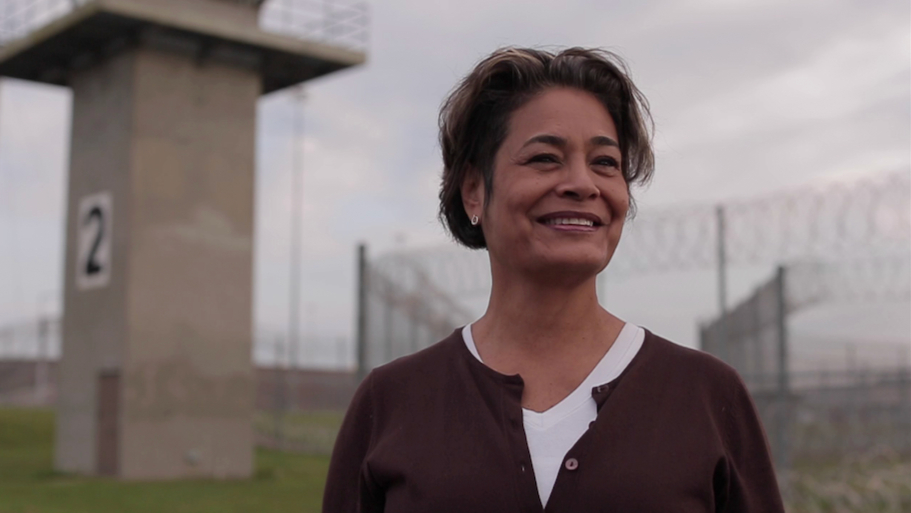
As an activist and advocate, Jiang-Stein has made a significant impact through her extensive work with women in prison. Her personal journey, starting at the age of 12 when she learned that she was born in prison, has led her to a lifetime of advocacy for those on the margins. Through the narratives of Felma and Esther Levin, a reader might detect a little-disguised attempt by the author to place herself in the stories, adding a layer of intimacy and understanding to her work.

Unhoused people, women in prison, children in foster care: these are not just characters but people we can relate to, doing their best in seemingly hopeless situations. Jiang-Stein's storytelling skill allows her to dive deeply into the flaws and foibles of the human condition, contrasting countless betrayals and failures with optimism and trust.

Jiang-Stein's skillful use of place-making and emotional tone allows her to craft a compelling narrative that quickly draws readers in. Despite discomfort and unease, she encourages us to not look away from misery. To witness hardship and empathize with the agony of needs unmet is the start of a newfound resolve toward action, with open eyes and broken hearts.


Popular posts from this blog

Enlighten Me

Editor's Note: This review was originally published in Los Angeles Book Review . Author Minh Lê Standing up for oneself seems like doing the right thing. Binh did just that in the face of a racist school bully who was poking fun at his Asian heritage. But physically assaulting another student goes against school policy, and it was Binh who got in trouble. Binh shares a silent retreat with his family and younger siblings. Along with other children, he learns about stories from the previous lives of the Buddha. The stories are interesting, but for Binh, it is difficult to sit still and clear his mind when he misses his Gameboy. While he struggles with silence, he learns important lessons about friendship, community, and being present. In the graphic novel "Enlighten Me," award-winning author Minh Lê and bestselling illustrator Chan Chau tell the story of a boy who gains a better understanding of himself as he works on quieting the mind and reflecting on dharma. Lê and Ch...

Slow Down: The Degrowth Manifesto

In "Slow Down: The Degrowth Manifesto," renowned Marxian scholar and philosopher Kohei Saito offers a compelling argument against the relentless pursuit of economic growth that permeates contemporary capitalism. Saito’s thesis focuses on the concept of degrowth—a radical reduction in production and consumption that aligns with sustainable ecological limits rather than constant expansion. Pictured above is Kohei Saito Saito makes a significant and timely contribution to the ongoing conversation about sustainable living. Slow Down adopts an interdisciplinary approach, drawing insights from environmental science, economics, and social theory to present a clear and urgent depiction of the current ecological crisis. Saito critiques the widely accepted belief that economic growth equates to progress and questions the sustainability of existing global consumption patterns. He advocates for a fundamental reshaping of our economic systems to prioritize human well-being and ecologica...

Minding the Wealth Gap

As a Black investor and startup founder, Cliff Goins IV brings firsthand experience and sharp insight to one of America’s most urgent issues: the racial wealth gap. Having navigated the worlds of finance and entrepreneurship, Goins has seen up close the systemic disparities in wealth creation, access to capital, and asset management. From unequal opportunities in homeownership and education to persistent challenges in business funding and employment, the historical gaps are perpetuated in present-day practices. In "Minding the Wealth Gap," Goins skillfully blends data, lived experience, and the insights of experts to illuminate the deep-rooted economic disparities facing Black Americans. More importantly, he highlights the power of collective uplift. Through the voices of nine dynamic “gap closers,” Goins shows how real change happens when Black investors and leaders open doors for others. Each success “play” or strategy underscores the ripple effect of support. Selena Cu...