
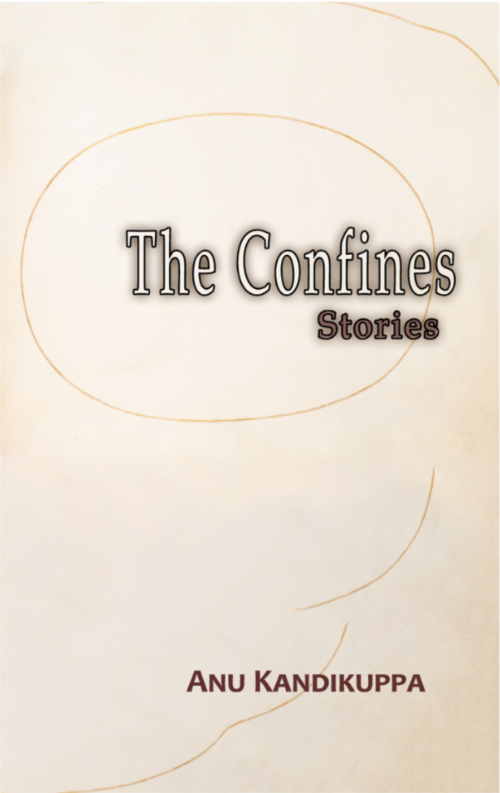
The Confines: Stories


A young doctor tends to an older couple burdened by physical ailments. The husband and wife engage in a daily ritual of petty bickering. Friends from college maintain their connections over the years, gradually revealing underlying issues. The characters in Anu Kandikuppa’s short story collection, The Confines: Stories, are trapped in moral stagnation, emotional paralysis, and stifling societal expectations—both imposed by others and self-inflicted—making the ordinariness of their lives feel unbearable. This collection features twelve thought-provoking stories that explore the cultural expectations, taboos, and hierarchies that impact the Indian diaspora in both the United States and India.

As part of the Filipino diaspora, I found the characters in Kandikuppa’s stories to be relatable and often pitiable. For instance, there is a woman who spends much of her time longing for unrequited love. On the other hand, some characters are truly despicable, such as a grown man who remains silent and passive while witnessing his friend mistreat his wife and daughter.

Kandikuppa sets a high bar with this debut offering, which effectively captures the complexities of human relationships and the silent struggles individuals face. I was particularly struck by the author’s skillful and unabashed depiction of the nuances of Indian culture and identity. The characters are well-developed as they confront both internal and external conflicts while dealing with societal pressures and unspoken personal desires.

Editor's Note: This review was originally published in Chicago Book Review.
Popular posts from this blog

Lucky Tomorrow: Stories

Deborah Jiang-Stein's debut collection of short stories explores the lives of people who are often overlooked. From flower street vendors to families torn apart by ambition, to a woman on death row awaiting redemption amidst a tumult of memories, Jiang-Stein vividly depicts their struggles. Each story is set in various cities where she has lived: Seattle, Minneapolis, and Tokyo. While these settings differ, they share a common indifference toward human suffering. In "Lucky Tomorrow, " each vignette offers a glimpse into harsh realities that are often difficult to confront, yet are grounded in the lived experiences of those frequently unseen and cast aside. The stories convey powerful themes of longing and fleeting hopes for fresh starts that may never arrive. Although the themes are specific to the characters, they resonate with the universal human experience. As an activist and advocate, Jiang-Stein has made a significant impact through her extensive work with women...

Medicine Wheel for the Planet

Jennifer Grenz, PhD       Working toward ecological healing requires awareness of how Indigenous ancestral knowledge and living ways can complement Western scientific approaches to environmental restoration and protection practices. Dr. Jennifer Grenz (Nlaxa’pamux mixed ancestry) worked for more than two decades as a field researcher and practitioner for environmental nonprofit organizations, where she worked with different levels of government, including First Nations in Canada. "Medicine Wheel for the Planet" compiles Grenz’s most potent realizations about the lack of forward movement in addressing an impending ecological catastrophe.  A warming climate impacts not only human lives but also the natural balance that relies on reciprocal relationships rooted in deep connections to the land. She uses the metaphor of the four directions of the Indigenous “medicine wheel” to invite openness to Indigenous teachings, letting go of colonial narratives, merging lessons f...

Memento - Embracing the Darkness

Dennis "Dizzy" Doan Stories about overcoming and persevering through family dysfunction, poverty, and mental health challenges offer hope and the promise of better days. Dennis “Dizzy” Doan’s memoir Memento: Embracing the Darkness is one such story, with the added complexity of being raised in an immigrant Vietnamese family. Doan’s parents dealt with the mental and emotional aftermath of war, which forcibly uprooted them from their homeland. In the United States, they struggled to create a safe and stable life for their two sons. Doan shares his journey of finding himself, his craft, and eventually a successful tattoo business in Southern California despite personal strife and run-ins with the law. Doan is best known for developing the aesthetic language to combat anti-Asian hate that erupted during the COVID-19 pandemic. His art series titled “Model Minority” went viral, sparking conversation about Asian American identities and harmful stereotypes. In Memento, Doan showcase...