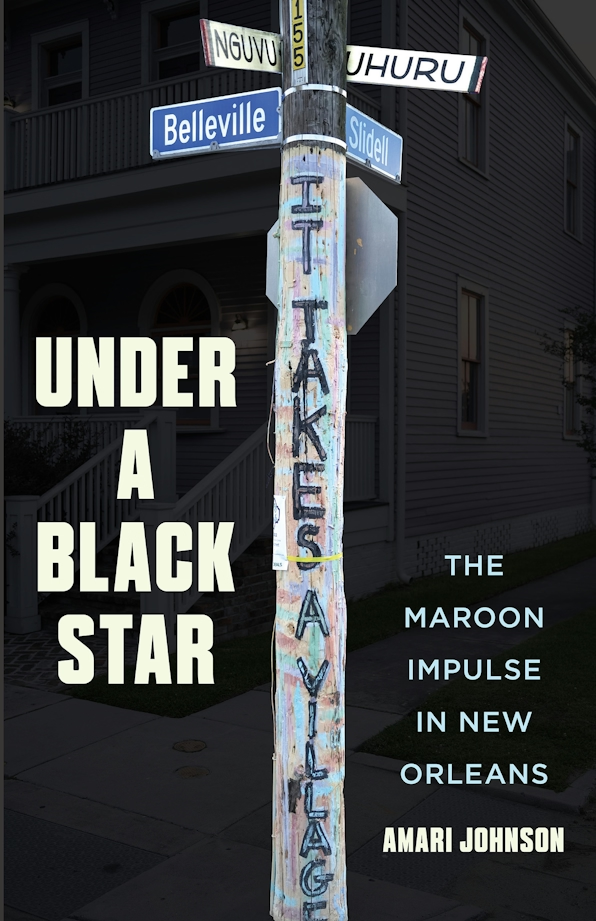
In Under a Black Star, Amari Johnson documents the story of a New Orleans community that created dedicated spaces for Blackness on terms they defined and refined for themselves. The book focuses on the BlackStar Community in the Algiers neighborhood, recognized as the oldest Black neighborhood in the United States.
Johnson uses the neighborhood's rich, storied history as the backdrop for examining how BlackStar residents sought to consolidate power, assert autonomy, and manifest Black identity in the face of generational systemic oppression compounded by Hurricane Katrina's devastation. In response to these challenges, BlackStar residents established Kamali Academy to homeschool their children and sustained BlackStar Books and Caffe as a vital community gathering place. Through these spaces, Johnson analyzes the phenomenon of marronage—drawing connections between the historical experiences of enslaved peoples who escaped captivity and fled plantations into fugitivity, and contemporary practices of autonomous community-building.
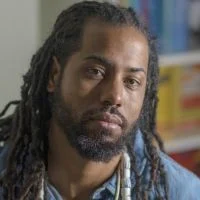
As a scholar, musician, and co-owner of BlackStar Books and Caffe, Johnson was deeply embedded within the community he studied. This insider position allowed him to bring both intimate knowledge and critical analysis to his examination of how marronage operates as a diasporic practice in twenty-first-century New Orleans. His dual role as participant and observer shapes the book's methodology, granting him access to community deliberations, conflicts, and aspirations that would remain invisible to outside researchers. Yet Johnson navigates this position thoughtfully, balancing his personal investments with scholarly rigor and maintaining transparency about the ethical complexities of documenting a community to which he remains accountable.
I approached this book as a Filipino-American settler on lands built by enslaved peoples, bringing my ongoing journey toward understanding decoloniality and dismantling white supremacy. I appreciate Johnson’s commitment to foregrounding the integrity and dignity of the BlackStar community members he lived among and befriended, which offered a powerful model for ethical scholarship and solidarity.
By declaring his "first loyalty" to the community, Johnson honors their stories as a trustworthy confidante rather than a detached observer. I thought that this ethical stance – one in which he privileges community accountability over academic conventions – challenges readers to consider whose voices are centered in scholarship about resistance and self-determination. For me, Johnson's approach illuminated how solidarity requires not just learning from marginalized communities but also recognizing one's own position within systems of power and practicing genuine accountability to those most impacted by oppression.
 |
| Buy from the University of Minnesota Press |