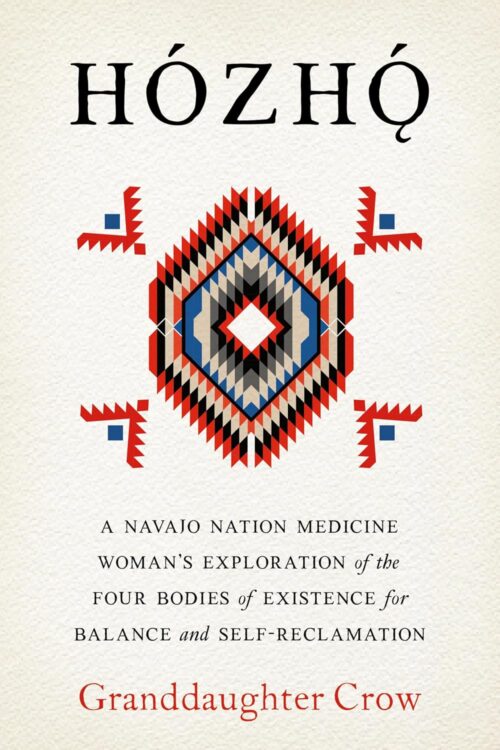
Hozho: A Navajo Nation Medicine Woman's Exploration of the Four Bodies of Existence


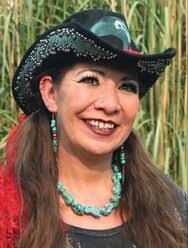
Granddaughter Crow’s "Hózhǫ́" offers a refreshing framework for self-understanding rooted in Indigenous wisdom rather than Western psychology. As a well-respected Navajo medicine woman, the author (Dr. Joy Gray) presents four bodies of existence—physical, emotional, mental, and spiritual—each with its own intelligence that operates independently yet relationally. This integrated approach forms the foundation for healing and authentic living. The book’s embedded journal prompts transform it from a theoretical text into a practical guide for genuine self-exploration.

In my experience decolonizing spaces, I found the author’s approach particularly insightful for those unlearning colonial mindsets, no matter where they are on the journey. What distinguishes Hozho is Granddaughter Crow’s layered authority and hybridity. As a biracial woman who navigated her Native identity and Dutch heritage, she was also raised as a Christian yet answered her calling to shamanic practice. In her own story, she embodies the very integration she teaches. Her personal narrative shows how understanding one’s internal narratives is essential to living honestly and authentically.

Hózhǫ́ is essential reading for anyone engaged in decolonial work, spiritual seekers, and those ready to challenge Western paradigms of self-actualization. Knowing about the different bodies of existence is an invitation to listen deeply to the lessons from our gut, heart, brain, and soul – to discover the truth of our being.

Editor's Note: This book review was originally published in Portland Book Review.  
Order from Capital Books 

Popular posts from this blog

Book Review: The Scandal of the Century: And Other Writings

Editor's Note: This review was originally published in Manhattan Book Review.

Minding the Wealth Gap

As a Black investor and startup founder, Cliff Goins IV brings firsthand experience and sharp insight to one of America’s most urgent issues: the racial wealth gap. Having navigated the worlds of finance and entrepreneurship, Goins has seen up close the systemic disparities in wealth creation, access to capital, and asset management. From unequal opportunities in homeownership and education to persistent challenges in business funding and employment, the historical gaps are perpetuated in present-day practices. In "Minding the Wealth Gap," Goins skillfully blends data, lived experience, and the insights of experts to illuminate the deep-rooted economic disparities facing Black Americans. More importantly, he highlights the power of collective uplift. Through the voices of nine dynamic “gap closers,” Goins shows how real change happens when Black investors and leaders open doors for others. Each success “play” or strategy underscores the ripple effect of support. Selena Cu...

A Beginner’s Guide to the Roots of Yoga

The modern practice of yoga in Western culture is often criticized for disconnecting from its cultural, historical, and spiritual roots. In many studios and gyms, yoga is reduced to a fitness routine—focused on stretching rather than its original purpose of enlightening the mind. In "A Beginner’s Guide to the Roots of Yoga," celebrated practitioner Nikita Desai reconnects readers with yoga’s ancient Indian origins. Drawing on her Indian heritage, Desai explores the deeper meanings behind yoga’s forms, postures, and intentions, offering a rich historical and philosophical context for those seeking a more authentic practice. Desai shares her personal journey of reclaiming yoga’s essence, inviting readers to do the same by integrating cultural awareness into their practice. Her tone is welcoming and nonjudgmental, making the book accessible to readers of all backgrounds. Although I do not practice yoga, my meditation roots lie in Zen Buddhism. Through conversations with prac...