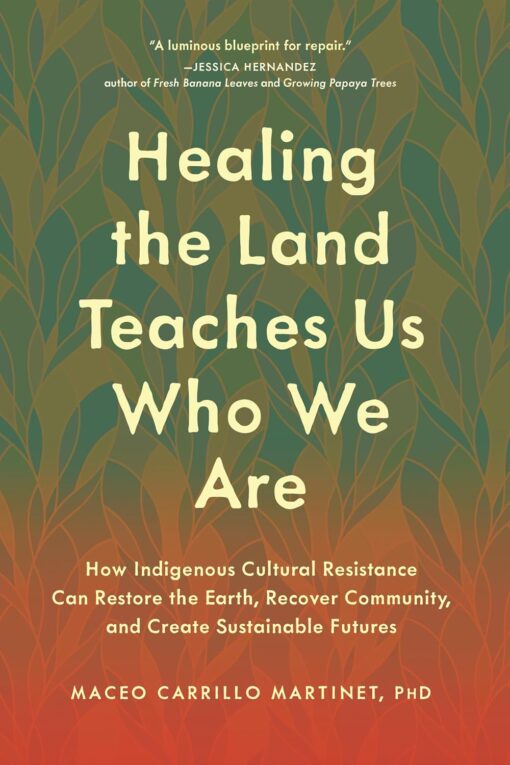
Healing the Land Teaches Us Who We Are


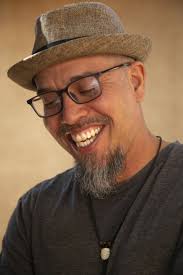
"Healing the Land Teaches Us Who We Are" by Maceo Carrillo Martinet, PhD, is a compelling and timely exploration of Indigenous wisdom as a living, practical science — one with deep implications for how humanity responds to the climate crisis.

Martinet’s central argument is both simple and radical: Indigenous peoples have always known how to care for the Earth, and the world would do well to listen. From the Maghreb communities of Northern Africa, whose age-old practice of “blooming the desert” coaxes life from parched landscapes, to the Karuk tribe of the Pacific Northwest, whose tradition of “good fire” has long nurtured healthy forests, Martinet draws on rich fieldwork and case studies to illuminate how communities around the world are re-membering and reclaiming Indigenous science to restore damaged ecosystems.

Reclaiming land-based cultural traditions of ecological restoration opens the way for cultural resistance and sovereignty. Martinet challenges dominant Western assumptions about environmental protection. Indigenous knowledge is not folklore — it is science, deeply anchored in engineering, philosophy, and generations of careful observation. Indigenous technologies thrived before colonization and remain a vital, living tradition.

This book is an inspiring and necessary read for readers seeking climate solutions rooted in collective care, reciprocity, and humble kinship with the Earth. It is a refreshing and hopeful departure from the colonial and technocratic approaches that have dominated the conversation for too long.

Editor's Note: This book review was originally published in Tulsa Book Review. 
Popular posts from this blog

Book Review: The Scandal of the Century: And Other Writings

Editor's Note: This review was originally published in Manhattan Book Review.

Minding the Wealth Gap

As a Black investor and startup founder, Cliff Goins IV brings firsthand experience and sharp insight to one of America’s most urgent issues: the racial wealth gap. Having navigated the worlds of finance and entrepreneurship, Goins has seen up close the systemic disparities in wealth creation, access to capital, and asset management. From unequal opportunities in homeownership and education to persistent challenges in business funding and employment, the historical gaps are perpetuated in present-day practices. In "Minding the Wealth Gap," Goins skillfully blends data, lived experience, and the insights of experts to illuminate the deep-rooted economic disparities facing Black Americans. More importantly, he highlights the power of collective uplift. Through the voices of nine dynamic “gap closers,” Goins shows how real change happens when Black investors and leaders open doors for others. Each success “play” or strategy underscores the ripple effect of support. Selena Cu...

A Beginner’s Guide to the Roots of Yoga

The modern practice of yoga in Western culture is often criticized for disconnecting from its cultural, historical, and spiritual roots. In many studios and gyms, yoga is reduced to a fitness routine—focused on stretching rather than its original purpose of enlightening the mind. In "A Beginner’s Guide to the Roots of Yoga," celebrated practitioner Nikita Desai reconnects readers with yoga’s ancient Indian origins. Drawing on her Indian heritage, Desai explores the deeper meanings behind yoga’s forms, postures, and intentions, offering a rich historical and philosophical context for those seeking a more authentic practice. Desai shares her personal journey of reclaiming yoga’s essence, inviting readers to do the same by integrating cultural awareness into their practice. Her tone is welcoming and nonjudgmental, making the book accessible to readers of all backgrounds. Although I do not practice yoga, my meditation roots lie in Zen Buddhism. Through conversations with prac...