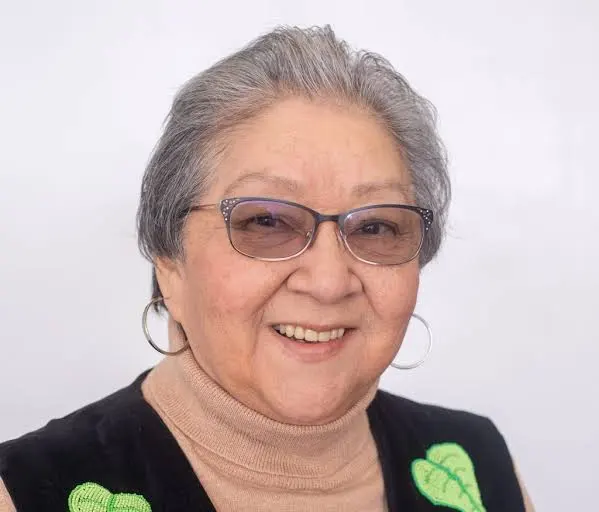
Janis A. Fairbanks, a member of the Fond du Lac Band of Lake Superior Chippewa, offers a heartfelt memoir that recounts cherished summers spent with her grandmother on the reservation. Through intimate recollections, “Sugar Bush Babies” captures the deep connection between family and land. She relays a bond to places and people whose love and nurturing stand in sharp contrast to the hectic pace of city life in Duluth, Minnesota. Fairbanks’ memoir is an important contribution to Indigenous literature, as she adds a vital personal voice to a genre that has long been underrepresented.
The book is organized into three chapters named after the places that shaped her understanding of Fairbanks’ world as a young Indigenous woman: Bena, Duluth, and Fond du Lac. The memoir traces the author’s journey across these interconnected spaces. She weaves in her grandmother's stories of boarding school experiences, her father’s work as a lumberjack, and interaction with her young friends. In each chapter, Fairbanks creates a layered narrative that honors both personal memory and collective history.
What I appreciated most about this book is Fairbanks intimate, conversational tone. Reading “Sugar Bush Babies” felt like I was reading letters sent by a trusted friend or a respected elder. Her prose is an invitation into her inner world, and through her reverence for her grandmother, she becomes our guide to a past accessible only through stories.
Beyond nostalgia, the book conveys a sense of peace and resilience. Simple moments are sacred, such as watching moonlight reflect on water from Gram’s shack by the lake. Fairbanks reminds us that despite historical hardship and loss, there are places where we feel truly alive and truly belong. Her grandmother's legacy, and the land itself, offer testament to this enduring strength.
Chii Migwech. Chii Manitou Gratitude for the gifts of the land and kinship with all our relations.
 |
| Order from University of Minnesota Press |