
How Western Christianity Got It Wrong


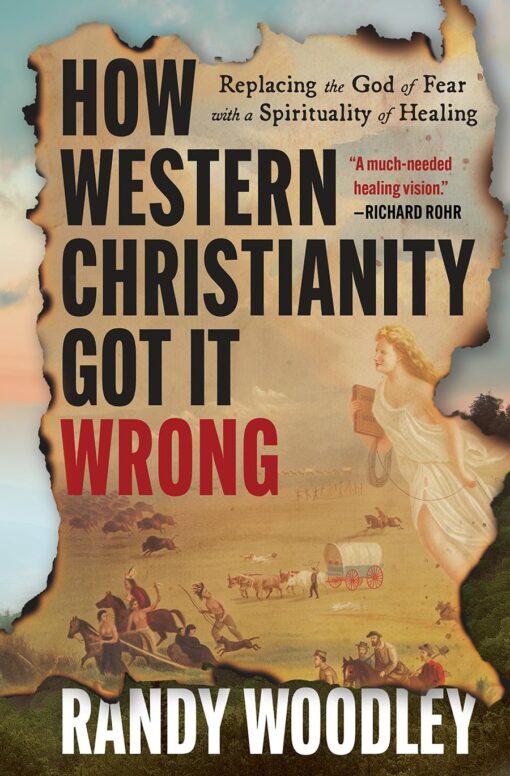
In "How Western Christianity Got It Wrong," Randy Woodley examines how Christianity has been exploited by oppressive regimes throughout history to advance colonial aspirations, justify racial hierarchies, and legitimize land dispossession. Woodley dismantles flaws in how modern Christians understand the gospel by addressing commonly misunderstood concepts, such as biblical authorship and doctrines of war. He guides readers through the development of Western theology, historicizing how present-day beliefs about sin and salvation evolved. Woodley argues that “Platonic dualism” created dogma that justified societal inequalities and environmental degradation.

Drawing from his decades-long ministry in Native American Christian churches, Woodley reclaims Christianity’s Indigenous roots. He draws parallels between the teachings of Christ and Indigenous knowledge to illuminate a spiritual movement originally anchored in right relationship, hospitality, generosity, and kindness toward others. In contrast to the materialism and compartmentalization pervasive in Western Christian belief systems, Indigenous worldviews integrate the seen and unseen worlds, emphasizing holistic care for spirit, soul, and body.

As both scholar and teacher, Woodley writes in a straightforward, approachable style that engages readers from diverse backgrounds. His work powerfully connects Western value systems and Christianity’s co-option by empire to contemporary rhetoric about immigrants, poverty, racism, and patriarchy. This book offers essential reading for anyone seeking to realign their faith with the radical hospitality and justice at the heart of the gospel.

Editor's Note: This book review was originally published in Seattle Book Review.
Popular posts from this blog

Book Review: The Scandal of the Century: And Other Writings

Editor's Note: This review was originally published in Manhattan Book Review.

Minding the Wealth Gap

As a Black investor and startup founder, Cliff Goins IV brings firsthand experience and sharp insight to one of America’s most urgent issues: the racial wealth gap. Having navigated the worlds of finance and entrepreneurship, Goins has seen up close the systemic disparities in wealth creation, access to capital, and asset management. From unequal opportunities in homeownership and education to persistent challenges in business funding and employment, the historical gaps are perpetuated in present-day practices. In "Minding the Wealth Gap," Goins skillfully blends data, lived experience, and the insights of experts to illuminate the deep-rooted economic disparities facing Black Americans. More importantly, he highlights the power of collective uplift. Through the voices of nine dynamic “gap closers,” Goins shows how real change happens when Black investors and leaders open doors for others. Each success “play” or strategy underscores the ripple effect of support. Selena Cu...

A Beginner’s Guide to the Roots of Yoga

The modern practice of yoga in Western culture is often criticized for disconnecting from its cultural, historical, and spiritual roots. In many studios and gyms, yoga is reduced to a fitness routine—focused on stretching rather than its original purpose of enlightening the mind. In "A Beginner’s Guide to the Roots of Yoga," celebrated practitioner Nikita Desai reconnects readers with yoga’s ancient Indian origins. Drawing on her Indian heritage, Desai explores the deeper meanings behind yoga’s forms, postures, and intentions, offering a rich historical and philosophical context for those seeking a more authentic practice. Desai shares her personal journey of reclaiming yoga’s essence, inviting readers to do the same by integrating cultural awareness into their practice. Her tone is welcoming and nonjudgmental, making the book accessible to readers of all backgrounds. Although I do not practice yoga, my meditation roots lie in Zen Buddhism. Through conversations with prac...