For men who have inherited and internalized harmful scripts about masculinity, unlearning generational patterns and encouraging accountability is the work of a lifetime. Catherine McNeil dedicates her latest book, "I've Got Nothing to Say…," to her son SJ as she explores the complexities of manhood, emotional vulnerability, accountability, and breaking generational cycles with remarkable tenderness and unflinching honesty.
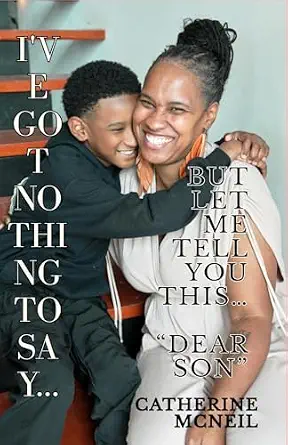
McNeil uses the format of a heartfelt letter, blending storytelling with practical advice and reflective prompts to create an intimate conversation with her reader. Throughout the book, she emphasizes that men are not defined by their past or inherited patterns, but by the choices they make moving forward. She encourages breaking the silence, embracing vulnerability, and building a legacy of honesty and growth. The book serves as both a personal message to her son and a universal call for men to closely examine what constitutes ideas and manifestations of masculinity in contemporary society.
McNeil discusses masculinity as a set of inherited scripts and expectations that are often unexamined and deeply damaging. She urges men to question the stories they were told about being a man—such as "be strong, don't cry, handle it"—and to recognize them as learned behaviors that can be unlearned and reconstructed. I think this reframing is liberating because it empowers men to embrace their agency and pursue intentional change.
Black identity is woven throughout the book as part of a broader message about self-determination, healing, and purposeful legacy. As a diversity educator, I was drawn to McNeil's deeply personal choice to address her young son directly. As a Black woman and mother raising a Black son, McNeil candidly speaks to generational patterns and the unique impact of societal expectations shaped by the realities of Black families in America. She acknowledges the particular pressure Black men face to equate silence with strength and to carry unresolved intergenerational wounds without support.
While I am not a man, I am a mother on my own journey of decolonization. McNeil's emphasis on recognizing and breaking harmful cycles resonates profoundly: "I am not my ancestors; I stand on their shoulders and will grow from their lessons." This wisdom offers hope and suggests that healing is possible.
This book is an essential read for men of all ages, especially those reflecting on their own upbringing and inherited beliefs about manhood. It is equally valuable for women raising sons, fathers seeking to model emotional intelligence, and anyone committed to breaking cycles of silence and toxic masculinity. McNeil's heartfelt letter invites readers into vulnerable self-examination while offering a clear path toward healing, accountability, and authentic manhood.
Editor's Note: This book review was originally published in Reedsy Discovery.
McNeil uses the format of a heartfelt letter, blending storytelling with practical advice and reflective prompts to create an intimate conversation with her reader. Throughout the book, she emphasizes that men are not defined by their past or inherited patterns, but by the choices they make moving forward. She encourages breaking the silence, embracing vulnerability, and building a legacy of honesty and growth. The book serves as both a personal message to her son and a universal call for men to closely examine what constitutes ideas and manifestations of masculinity in contemporary society.
McNeil discusses masculinity as a set of inherited scripts and expectations that are often unexamined and deeply damaging. She urges men to question the stories they were told about being a man—such as "be strong, don't cry, handle it"—and to recognize them as learned behaviors that can be unlearned and reconstructed. I think this reframing is liberating because it empowers men to embrace their agency and pursue intentional change.
Black identity is woven throughout the book as part of a broader message about self-determination, healing, and purposeful legacy. As a diversity educator, I was drawn to McNeil's deeply personal choice to address her young son directly. As a Black woman and mother raising a Black son, McNeil candidly speaks to generational patterns and the unique impact of societal expectations shaped by the realities of Black families in America. She acknowledges the particular pressure Black men face to equate silence with strength and to carry unresolved intergenerational wounds without support.
While I am not a man, I am a mother on my own journey of decolonization. McNeil's emphasis on recognizing and breaking harmful cycles resonates profoundly: "I am not my ancestors; I stand on their shoulders and will grow from their lessons." This wisdom offers hope and suggests that healing is possible.
This book is an essential read for men of all ages, especially those reflecting on their own upbringing and inherited beliefs about manhood. It is equally valuable for women raising sons, fathers seeking to model emotional intelligence, and anyone committed to breaking cycles of silence and toxic masculinity. McNeil's heartfelt letter invites readers into vulnerable self-examination while offering a clear path toward healing, accountability, and authentic manhood.
Editor's Note: This book review was originally published in Reedsy Discovery.