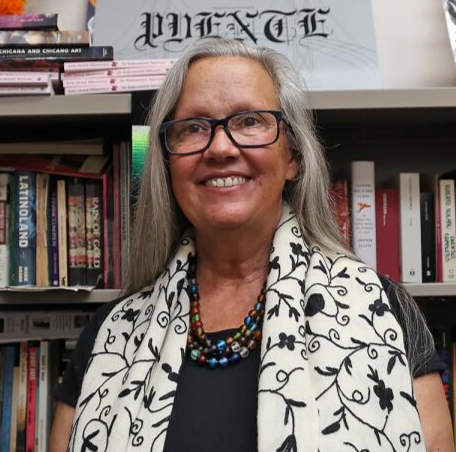
Some Final Beauty and Other Stories


In "Some Final Beauty and Other Stories," Lisa Alvarez paints the lives and losses of 11 Chicanx and women characters – and the sisters, mothers, lovers, children, and friends in their orbit – who persist through suffering with admirable strength. Set in Southern California, each story reveals loss, resilience, and the quiet gravity of daily life. Alvarez writes Chicanx women who are firm in their principles and identities, unapologetically themselves, and instantly recognizable in their idiosyncrasies. The characters are not reduced to symbols or stereotypes; rather, they carry the weight of personal and ancestral histories while embodying aspects of their culture with dignity and complexity.

The stories honor the textures of Chicanx womanhood, revealing a steadfast rootedness in culture alongside the universal truths of love, patience, grief, and small triumphs. Through Alvarez’s attentive prose, small acts, carrying the roses for a young woman’s burial, visiting a loved one in an institution, and navigating the undercurrents of community life, become luminous expressions of both individuality and heritage.

Each story reveals a deep attunement to the private textures of women’s lives: the unspoken thoughts, the subtle gestures, the complex negotiations between hardiness and vulnerability. The narratives unfold with a deliberate pace, building toward a subtle crescendo, yet never losing sight of the quiet but profound acts that define daily existence: the tending to a loved one’s needs, the rituals of care, the placid endurance of heartbreak. In their ordinariness and their extraordinariness, Alvarez’s characters speak to both the particular and the universal, holding the reader in the intimate space where identity, culture, and humanity meet.
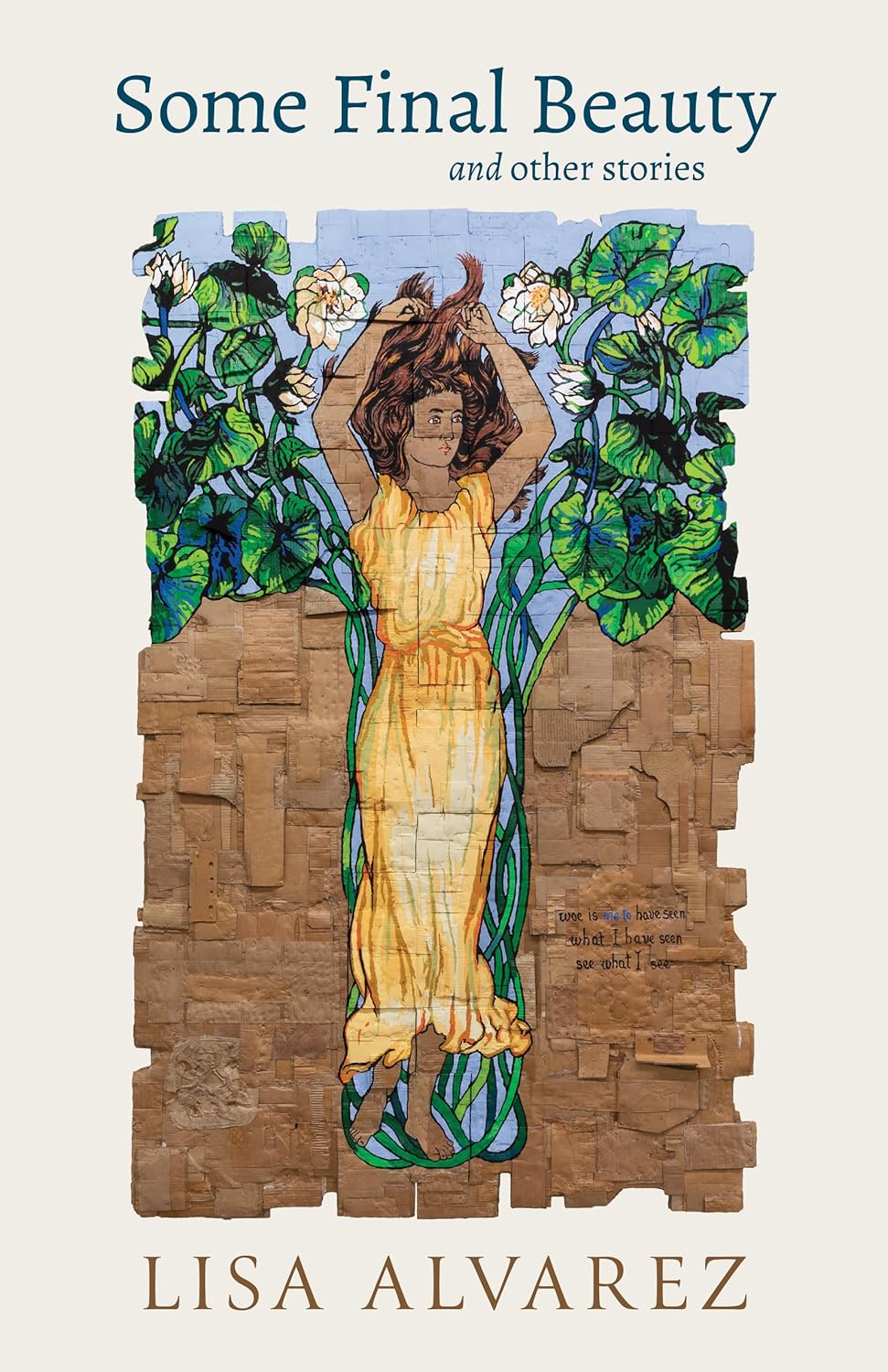
Editor's Note: This review was originally published in Portland Book Review. 

Buy from Capital Books

Popular posts from this blog

Minding the Wealth Gap

As a Black investor and startup founder, Cliff Goins IV brings firsthand experience and sharp insight to one of America’s most urgent issues: the racial wealth gap. Having navigated the worlds of finance and entrepreneurship, Goins has seen up close the systemic disparities in wealth creation, access to capital, and asset management. From unequal opportunities in homeownership and education to persistent challenges in business funding and employment, the historical gaps are perpetuated in present-day practices. In "Minding the Wealth Gap," Goins skillfully blends data, lived experience, and the insights of experts to illuminate the deep-rooted economic disparities facing Black Americans. More importantly, he highlights the power of collective uplift. Through the voices of nine dynamic “gap closers,” Goins shows how real change happens when Black investors and leaders open doors for others. Each success “play” or strategy underscores the ripple effect of support. Selena Cu...

Slow Down: The Degrowth Manifesto

In "Slow Down: The Degrowth Manifesto," renowned Marxian scholar and philosopher Kohei Saito offers a compelling argument against the relentless pursuit of economic growth that permeates contemporary capitalism. Saito’s thesis focuses on the concept of degrowth—a radical reduction in production and consumption that aligns with sustainable ecological limits rather than constant expansion. Pictured above is Kohei Saito Saito makes a significant and timely contribution to the ongoing conversation about sustainable living. Slow Down adopts an interdisciplinary approach, drawing insights from environmental science, economics, and social theory to present a clear and urgent depiction of the current ecological crisis. Saito critiques the widely accepted belief that economic growth equates to progress and questions the sustainability of existing global consumption patterns. He advocates for a fundamental reshaping of our economic systems to prioritize human well-being and ecologica...

Wash

Ebony Stewart’s "Wash" is a powerful, unflinching poetry collection that draws the reader into a world of raw emotion, deep introspection, and lyrical brilliance. As I read through the poems, I found myself captivated by Stewart’s honest reflections on identity, love, loss, and healing. Her voice is unapologetically bold, revealing the complexities of being a Black womxn navigating relationships, societal expectations, and hard-fought victories toward self-worth. Yet, her themes are universal, resonating with anyone who has grappled with their own identity and relationships. What struck me most was Stewart’s emotional transparency: each poem feels like a cleansing, a shedding of shame, doubt, and grief, revealing the triumph of knowing one’s value in a world that often seeks to diminish it. Stewart doesn’t shy away from exploring the pain of extractive love or the vulnerability of desire, but she also leaves room for empowerment and resilience. As a celebrated spoken word ...